Artyści 2026
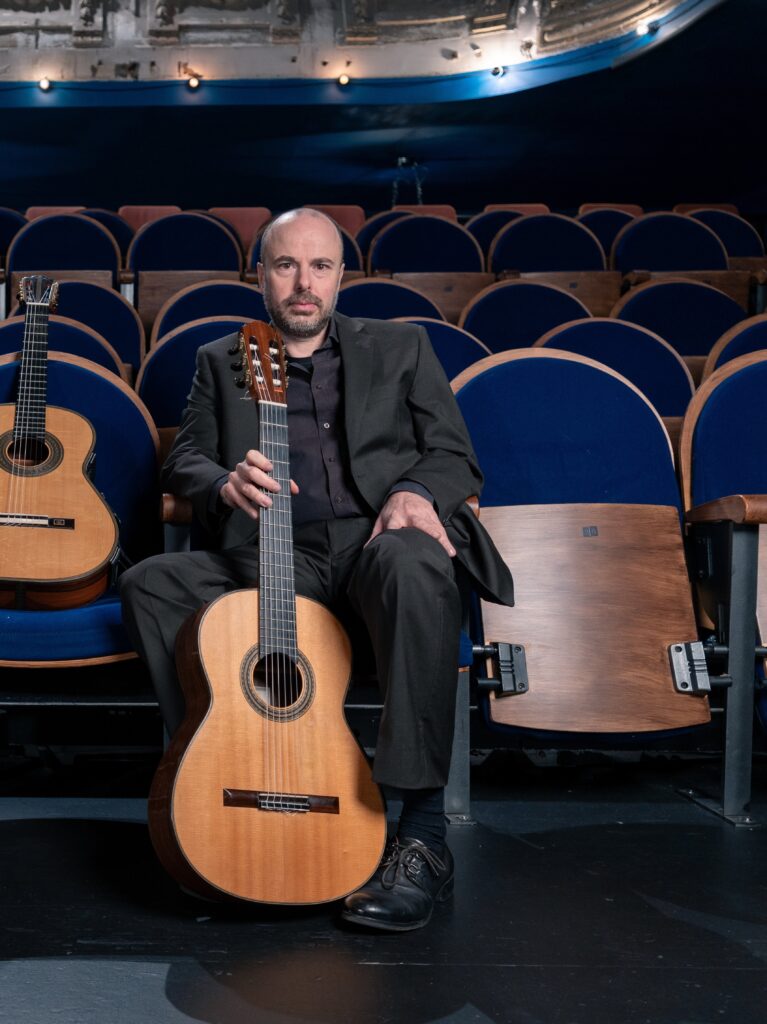
Lorenzo Micheli
Lorenzo Micheli jest laureatem pierwszych nagród na międzynarodowych konkursach gitarowych (Alessandria, „Guitar Foundation of America”). Koncertował w całej Europie, w USA i Kanadzie, w Afryce, Azji, Australii i Ameryce Łacińskiej, jako solista i z orkiestrą. Od 2002 roku występuje także w duecie z Matteo Melą ( m.in. w Carnegie Hall w Nowym Jorku, Sejong Hall w Seulu, Kijowskiej Sali Kolumnowej czy wiedeńskim Konzerthaus).
Jego dyskografia (ponad 20 tytułów wydanych przez wytwórnie Naxos, Stradivarius, Pomegranate, Soundset i Amadeus) obejmuje muzykę Dionisio Aguado, Kwartety op. 19 François de Fossy, Sonaty wiedeńskiego kompozytora Ferdinanda Rebaya, płytę CD z XVII-wieczną muzyką włoską na gitarę barokową, arcylutnię i teorbę, zbiór arii i kantat Alessandro Scarlattiego, wszystkie koncerty gitarowe oraz 24 preludia i fugi na dwie gitary Mario Castelnuovo-Tedesco, podwójną płytę CD z utworami kameralnymi Mauro Giulianiego, komplet utworów gitarowych Miguela Llobeta, Duos Concertants Antoine de Lhoyera, trzy antologie muzyki na dwie gitary („Noesis”, „Solaria”
i „ Metamorphoses”) oraz album „Morning in Iowa” (z Davidem Knopflerem). Jego najnowsze nagranie „Autumn of the Soul” zostało wydane przez Contrastes Records.
Jest także redaktorem i badaczem, publikował utwory solowe i kameralne takich kompozytorów jak Mario Castelnuovo-Tedesco i Ferdinand Rebay. Jest także redaktorem serii wydawniczej poświęconej muzyce na dwie gitary („Les Productions d’Oz”).
Lorenzo Micheli mieszka w Mediolanie we Włoszech, gdzie studiował literaturę grecką i łacińską na tamtejszym uniwersytecie. Wykłada w Conservatorio della Svizzera italiana w Lugano w Szwajcarii i jest artystą-rezydentem na University of Colorado Boulder i Columbus State University w Columbus w stanie Georgia (USA). Ponadto jest wykładowcą gościnnym na „Universidad Pedro de Olavide” w Sewilli w Hiszpanii oraz w Conservatorio „A. Boito” w Parmie we Włoszech.
W programie koncertu w Lanckoronie znajdą się utwory takich kompozytorów, jak B.Britten, M.Castelnuovo-Tedesco, F.Chopin i A. Tansman.
Lorenzo Micheli has won first prizes at international guitar competitions (Alessandria, “Guitar Foundation of America”). He has performed throughout Europe, the United States, and Canada, as well as in Africa, Asia, Australia, and Latin America, both as a soloist and with orchestras. Since 2002, he has also performed in a duo with Matteo Mela (including at Carnegie Hall in New York, Sejong Hall in Seoul, the Column Hall in Kyiv, and the Vienna Konzerthaus).
His discography (over 20 titles released by Naxos, Stradivarius, Pomegranate, Soundset, and Amadeus) includes music by Dionisio Aguado, François de Fossa’s Quartets, Op. 19, sonatas by the Viennese composer Ferdinand Rebay, a CD of 17th-century Italian music for baroque guitar, archlute, and theorbo, a collection of arias and cantatas by Alessandro Scarlatti, all of Mario Castelnuovo-Tedesco’s guitar concertos and 24 preludes and fugues for two guitars, a double CD of Mauro Giuliani’s chamber works, the complete guitar works of Miguel Llobet, Antoine de Lhoyer’s Duos Concertants, three anthologies of music for two guitars (“Noesis,” “Solaria,”
and “Metamorphoses”), and the album “Morning in Iowa” (with David Knopfler). His latest recording, “Autumn of the Soul,” was released by Contrastes Records.
He is also an editor and researcher, having published solo and chamber works by composers such as Mario Castelnuovo-Tedesco and Ferdinand Rebay. He is also the editor of a series dedicated to music for two guitars (“Les Productions d’Oz”).
Lorenzo Micheli lives in Milan, Italy, where he studied Greek and Latin literature at the local university. He teaches at the Conservatorio della Svizzera italiana in Lugano, Switzerland, and is an artist-in-residence at the University of Colorado Boulder and Columbus State University in Columbus, Georgia (USA). In addition, he is a visiting lecturer at the “Universidad Pedro de Olavide” in Seville, Spain, and at the Conservatorio “A. Boito” in Parma, Italy.
The program for the concert in Lanckorona will feature works by composers such as B. Britten, M. Castelnuovo-Tedesco, F. Chopin, and A. Tansman.
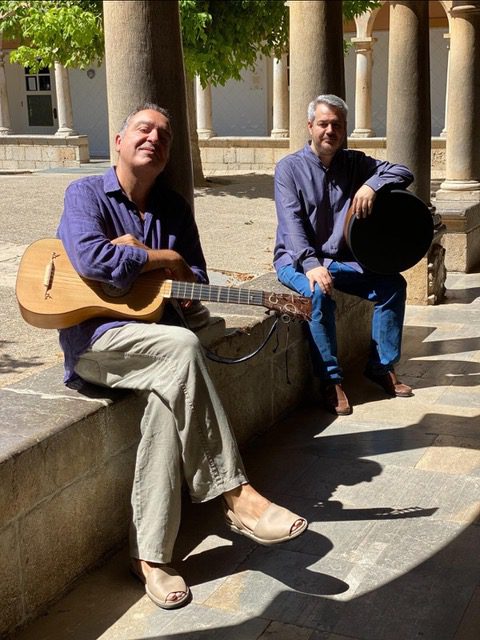
Xavier Diaz-Latorre & David Mayoral
Xavier Díaz-Latorre, Urodził się w Barcelonie w 1968 roku, a w 1993 roku ukończył Musikhochschule Basel, gdzie studiował grę na gitarze pod kierunkiem Oscara Ghiglii. Później specjalizował się w grze na lutni u Hopkinsona Smitha w Schola Cantorum Basiliensis, uzupełniając swoje wykształcenie studiami z zakresu dyrygentury chóralnej i orkiestrowej.
W trakcie swojej kariery brał udział w znaczących produkcjach oper barokowych w czołowych międzynarodowych salach koncertowych, współpracując ze znanymi reżyserami i zespołami. Jego praca zaowocowała ścisłą współpracą z czołowymi postaciami opery dawnej i wykonawstwa historycznego, w szczególności z René Jacobsem i Jordim Savallem.
Jest stałym gościem na najważniejszych międzynarodowych festiwalach w Europie, USA, Ameryce Południowej i Korei Południowej oraz kluczowym członkiem zespołów takich jak Hespèrion XXI, La Capella Reial de Catalunya i Le Concert des Nations, wszystkie pod dyrekcją Jordiego Savalla.
Kieruje własnym zespołem wokalno-instrumentalnym Laberintos Ingeniosos, poświęconym szeroko zakrojonej eksploracji repertuaru dawnego. Pod jego kierownictwem zespół zyskał międzynarodowe uznanie, a jego nagrania są chwalone przez prasę i emitowane na całym świecie.
Jego dyskografia obejmuje zarówno nagrania solowe, jak i wspólne projekty, a liczy ponad 30 albumów wydanych przez takie wytwórnie jak Passacaille, Alia Vox i Deutsche Harmonia Mundi, a także liczne nagrania dla międzynarodowych stacji radiowych i telewizyjnych.
Oprócz kariery koncertowej jest oddanym pedagogiem – wykłada grę na lutni, basso continuo i muzykę kameralną w Escola Superior de Música de Catalunya (ESMUC) oraz w Koninklijk Conservatorium Brussel. Był zapraszany do prowadzenia kursów mistrzowskich w takich instytucjach jak Schola Cantorum Basiliensis, Juilliard School, Sibelius Academy oraz University of Southern California, a także jest stałym wykładowcą w Lute Society of America i Amherst Early Music Festival.
Obecnie jest profesorem lutni, basso continuo i muzyki kameralnej w Schola Cantorum Basiliensis w Bazylei.
David Mayoral urodził się w Madrycie. Studiował grę na fortepianie oraz pedagogikę w Konserwatorium im. Padre Antonio Solera. Po ukończeniu studiów klasycznych rozpoczął naukę gry na instrumentach perkusyjnych tradycyjnych i orientalnych pod kierunkiem Pedro Estevana. W ramach swoich badań nad muzyką dawną i tradycyjną uczył się u perkusistów marokańskich i egipskich, a także uczestniczył w kursach mistrzowskich prowadzonych przez Keyvana Chemiraniego i Pejmana Haddadiego (irański zarb) oraz Glena Veleza (req). Regularnie występuje z zespołami muzyki dawnej, takimi jak Ensemble L’Arpeggiata, Hesperion XXI, Hirundo Maris, Kapsberger Consort, Camerata Iberia, Mudéjar (Begona Olavide), Sacqueboutiers, Orphenica Lyra (José Miguel Moreno), La Trulla de Bozes, Pulcinella Ensemble itp. W ramach muzyki etnicznej i tradycyjnej występował z Radio Tarifa, Luís Delgado Ensemble, Compañía Flamenca de Joaquín Ruíz i in. Jest również członkiem Transit Trio z siedzibą w Madrycie, które poprzez nauczanie prezentuje różne tradycje perkusyjne z całego świata.
Xavier Díaz-Latorre was born in Barcelona in 1968 and graduated from the Musikhochschule Basel in 1993, where he studied guitar under Oscar Ghiglia. He later specialized in lute performance under Hopkinson Smith at the Schola Cantorum Basiliensis, complementing his education with studies in choral and orchestral conducting.
Throughout his career, he has participated in major Baroque opera productions at leading international concert halls, collaborating with renowned directors and ensembles. His work has led to close collaboration with leading figures in early music and historical performance, particularly René Jacobs and Jordi Savall.
He is a regular guest at major international festivals in Europe, the U.S., South America, and South Korea, and a key member of ensembles such as Hespèrion XXI, La Capella Reial de Catalunya, and Le Concert des Nations, all under the direction of Jordi Savall.
He leads his own vocal-instrumental ensemble, Laberintos Ingeniosos, dedicated to a wide-ranging exploration of the early music repertoire. Under his leadership, the ensemble has gained international recognition, and its recordings have been praised by the press and broadcast worldwide.
His discography includes both solo recordings and collaborative projects, comprising over 30 albums released by labels such as Passacaille, Alia Vox, and Deutsche Harmonia Mundi, as well as numerous recordings for international radio and television stations.
In addition to his concert career, he is a dedicated educator—he teaches lute, basso continuo, and chamber music at the Escola Superior de Música de Catalunya (ESMUC) and the Koninklijk Conservatorium Brussel. He has been invited to lead masterclasses at institutions such as the Schola Cantorum Basiliensis, the Juilliard School, the Sibelius Academy, and the University of Southern California, and is a regular lecturer at the Lute Society of America and the Amherst Early Music Festival.
He is currently a professor of lute, basso continuo, and chamber music at the Schola Cantorum Basiliensis in Basel.
David Mayoral was born in Madrid. He studied piano and pedagogy at the Padre Antonio Soler Conservatory. After completing his classical studies, he began studying traditional and oriental percussion instruments under the guidance of Pedro Estevan. As part of his research into early and traditional music, he studied with Moroccan and Egyptian percussionists and participated in masterclasses led by Keyvan Chemirani and Pejman Haddadi (Iranian zarb) as well as Glen Velez (req). He regularly performs with early music ensembles such as Ensemble L’Arpeggiata, Hesperion XXI, Hirundo Maris, Kapsberger Consort, Camerata Iberia, Mudéjar (Begona Olavide), Sacqueboutiers, Orphenica Lyra (José Miguel Moreno), La Trulla de Bozes, Pulcinella Ensemble, etc. In the realm of ethnic and traditional music, he has performed with Radio Tarifa, the Luís Delgado Ensemble, the Compañía Flamenca de Joaquín Ruíz, and others. He is also a member of the Madrid-based Transit Trio, which presents various percussion traditions from around the world through its educational activities.
N.A.P.
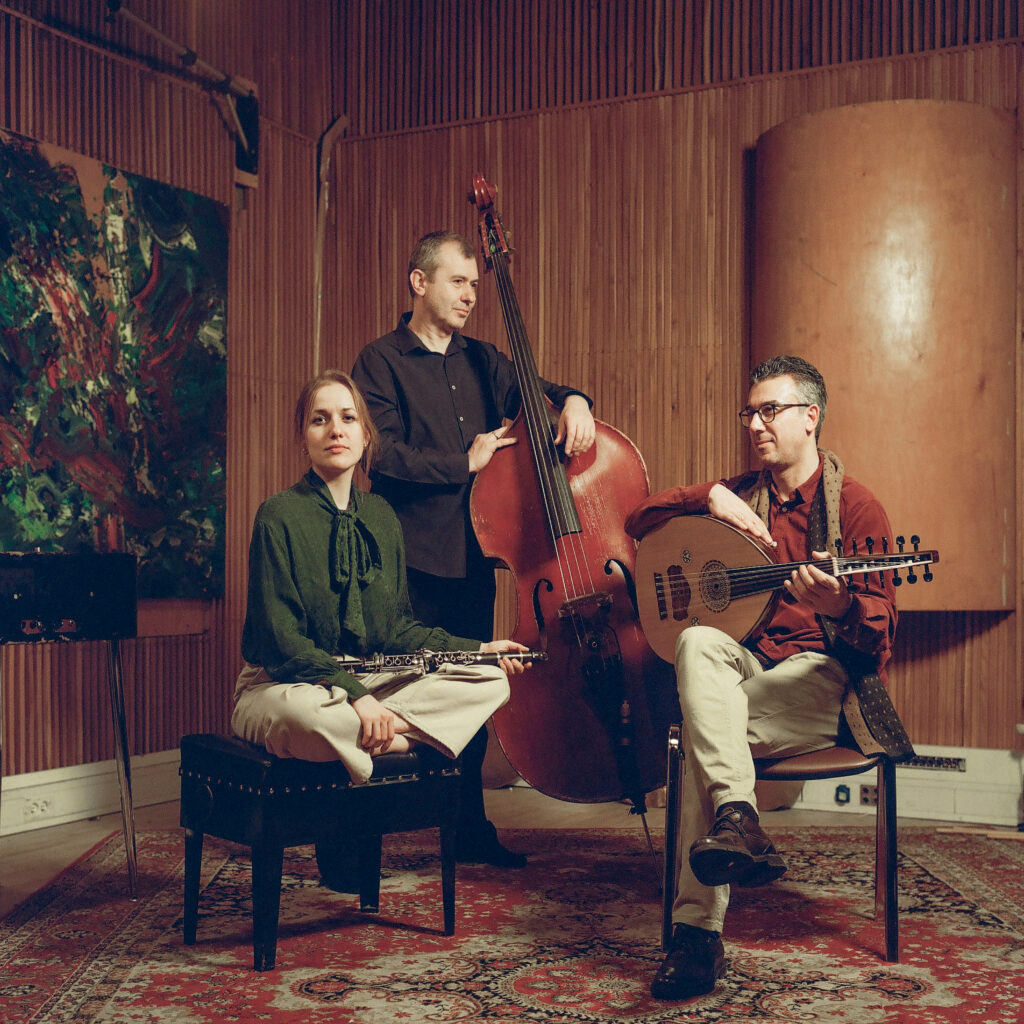
N.A.P. Music to spotkanie muzyków, którzy na swojej artystycznej drodze sięgają poza granice kulturowe tradycji, w której zostali wychowani. Stanowi kontynuację wieloletniej współpracy Leny Nowak ( Warszawska Orkiestra Sentymentalna) z kompozytorem i wirtuozem lutni oud Ahmadem Al Khatibem (Sabil). Jest konsekwencją powrotu Nowak do Polski, gdzie do projektu dołączył znany i ceniony kontrabasista Wojciech Pulcyn. Pomysł zrodził się z chęci podzielenia się z polską publicznością muzyką, której trudno doszukać się na naszej scenie muzycznej.
Muzyka, którą wykonuje trio to głównie kompozycje Ahmada Al Khatiba, będące próbą połączenia dwóch muzycznych światów. Al Khatib uznawany jest za jednego z najciekawszych wirtuozów oudu swoich czasów. Dzięki ogromnej wiedzy i doświadczeniu kieruje muzykę arabską na nowe nieoczywiste tory. W swojej twórczości czerpie również z dorobku klasycznej muzyki europejskiej, którą wnikliwie interpretuje i z dużym wyczuciem implementuje. Owocem tych poszukiwań są bezpretensjonalne kompozycje pełne orientalnych rytmów, w których nie brakuje miejsca na improwizacje.
Lena Nowak – klarnet
Ahmad Al Khatib – oud
Wojciech Pulcyn – kontrabas
N.A.P. Music brings together musicians who, in their artistic journeys, reach beyond the cultural boundaries of the traditions in which they were raised. It is a continuation of the long-standing collaboration between Lena Nowak (Warsaw Sentimental Orchestra) and composer and oud virtuoso Ahmad Al Khatib (Sabil). It is a result of Nowak’s return to Poland, where the well-known and highly regarded double bassist Wojciech Pulcyn joined the project. The idea arose from a desire to share with Polish audiences music that is rarely found on our music scene.
The music performed by the trio consists mainly of compositions by Ahmad Al Khatib, which attempt to bridge two musical worlds. Al Khatib is considered one of the most intriguing oud virtuosos of his time. Thanks to his vast knowledge and experience, he steers Arabic music onto new, unexpected paths. In his work, he also draws on the legacy of classical European music, which he interprets with insight and implements with great sensitivity. The result of these explorations are unpretentious compositions full of oriental rhythms, with plenty of room for improvisation.
Lena Nowak – clarinet
Ahmad Al Khatib – oud
Wojciech Pulcyn – double bass
DesOrient
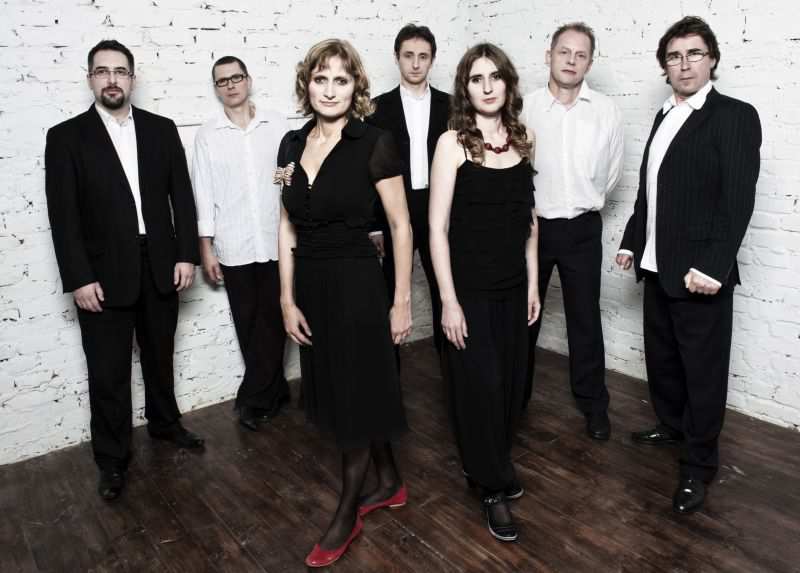
DesOrient – polski zespół muzyczny grający muzykę etniczną i filmową.
Zespół powstał w 1998 roku grając muzykę Michała Lorenca do filmu Janusza Majewskiego Złoto dezerterów. Od tej pory wykonuje wiele kompozycji tego kompozytora, często dla tego zespołu pisanych.
Zespół współpracował również z Jackiem Kleyffem i nagrał jego piosenki w aranżacji Michała Lorenca.
Muzycy grają na wielu oryginalnych instrumentach z różnych części świata: na fletach, bębnach i różnych instrumentach strunowych, cymbałach. Czerpią z muzyki ludowej różnych kultur, grając utwory bałkańskie, żydowskie, ukraińskie, arabskie i latynoamerykańskie. Poszczególni muzycy grali wcześniej w zespołach takich jak Varsovia Manta, Open Folk czy Zespół Polski.
Skład zespołu
Małgorzata Szarlik – skrzypce
Marta Maślanka – cymbały, santur
Klaudiusz Baran – akordeon
Bogdan Kupisiewicz – gitara
Mariusz Puchłowski – flety
Robert Siwak – instr. perkusyjne
Michał Woźniak – kontrabas
DesOrient – a Polish band that performs ethnic and film music.
The band was formed in 1998 to perform Michał Lorenc’s score for Janusz Majewski’s film *Złoto dezerterów* (*The Deserters’ Gold*). Since then, they have performed many of Lorenc’s compositions, many of which were written specifically for the band.
The band has also collaborated with Jacek Kleyff and recorded his songs arranged by Michał Lorenc.
The musicians play a variety of original instruments from different parts of the world: flutes, drums, various stringed instruments, and cymbals. They draw on the folk music of various cultures, performing Balkan, Jewish, Ukrainian, Arab, and Latin American pieces. Individual musicians previously played in bands such as Varsovia Manta, Open Folk, and Zespół Polski.
Band members
Małgorzata Szarlik – violin
Marta Maślanka – cimbalom, santur
Klaudiusz Baran – accordion
Bogdan Kupisiewicz – guitar
Mariusz Puchłowski – flutes
Robert Siwak – percussion
Michał Woźniak – double bass
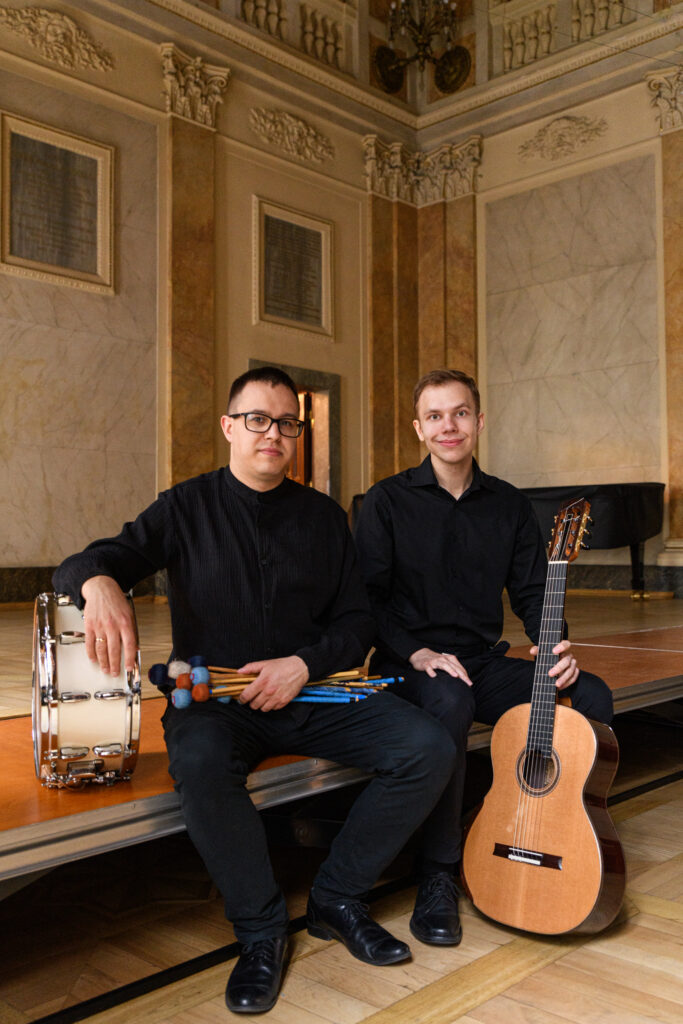
Tomasz Arnold i Mateusz Wąż
Tomasz Arnold (ur. 1990) jest perkusistą, marimbistą i kompozytorem. Jest muzykiem Filharmonii im. Karola Szymanowskiego w Krakowie oraz wykładowcą Akademii Muzycznej im. Krzysztofa Pendereckiego w Krakowie. Koncertuje jako solista, kameralista i muzyk orkiestrowy, łącząc różnorodne zainteresowania muzyczne, obejmujące muzykę klasyczną, współczesną, elektroniczną, improwizowaną oraz muzykę dawną wykonywaną na marimbie.
Tomasz Arnold występował jako solista w Polsce, USA, Niemczech, na Litwie, w Bułgarii, Francji, Włoszech, Chorwacji, Szwajcarii, na Cyprze, w Meksyku i Chinach. Jest pięciokrotnym laureatem międzynarodowych konkursów perkusyjnych i marimbowych, w tym Percussive Arts Society 50th Anniversary International Solo Percussion Competition, organizowanego podczas festiwalu PASIC w Indianapolis (USA). Otrzymał także prestiżowe nagrody kompozytorskie, takie jak ASCAP Morton Gould Young Composers Award w 2019 roku, oraz liczne stypendia, m.in. Armand Zildjian Percussion Scholarship, Manhattan School of Music International Advisory Board Scholarship, Howard Hanson Scholarship, Marshal Seeman Scholarship, Stephanie Niciszewska-Mucha Dissertation Scholarship, Stypendium Ministra Kultury i Dziedzictwa Narodowego, Stypendium „Młoda Polska” oraz Stypendium Edukacyjne Miasta Krakowa.
W latach 2009–2020 Tomasz Arnold mieszkał, studiował i pracował w USA, zdobywając wykształcenie muzyczne na czołowych amerykańskich uczelniach artystycznych. Uzyskał tytuł Doctor of Philosophy (PhD) w zakresie kompozycji na SUNY University at Buffalo, gdzie również pracował jako wykładowca asystent. Posiada także dwa tytuły magistra: Master of Arts z kompozycji (Wesleyan University) oraz Master of Music z perkusji klasycznej, zdobyty w prestiżowej Manhattan School of Music w Nowym Jorku, gdzie kształcił się pod kierunkiem Chrisa Lamba, kierownika sekcji perkusji New York Philharmonic, oraz Duncana Pattona, pierwszego kotlisty Metropolitan Opera. Dodatkowo ukończył z wyróżnieniem studia licencjackie z perkusji i kompozycji (Bachelor of Music) w renomowanym Eastman School of Music w Rochester, gdzie jego mentorami byli Michael Burritt i inni wybitni pedagodzy.
Mateusz Wąż (ur. 2002 r.) rozpoczął swoją edukację muzyczną w roku 2010; ukończył z wyróżnieniem Akademię Muzyczną im. Krzysztofa Pendereckiego w Krakowie w klasie prof. dra hab. Michała Nagy’a . Występował między innymi: w Filharmonii Krakowskiej, Filharmonii Śląskiej, Muzeum Narodowym w Krakowie, siedzibie NOSPRU, Operze w Bad Wildbad. Współpracował z orkiestrą Filharmonii Krakowskiej, Filharmonii Śląskiej, Akademii Muzycznej im. Krzysztofa Pendereckiego w Krakowie, Suską Orkiestrą Zamkową oraz z Krakowską Młodą Filharmonią. Swoje umiejętności doskonalił w ramach lekcji mistrzowskich między innymi: z Marcinem Dyllą, Gabrielem Bianco, Zoranem Dukiciem, Judicaëlem Perroy, Andrea Diecim, Alvaro Pierri, Andrea de Vitisem, Lorenzo Michelim, Martinem Schwarzem, Petrem Seidlem czy Carlo Marchione.
Jest laureatem wielu konkursów o randze międzynarodowej. Do najważniejszych należą: Festiwal im. Joaquina Rodrigo, Baltic Guitar Days, Kutna Hora Guitar Festival, finał Uppsala Guitar Festival oraz Śląskiej Jesieni Gitarowej. Mateusz Wąż był stypendystą Ministra Kultury oraz Dziedzictwa Narodowego, brał także czynny udział w festiwalu Rossini in Wildbad i Szalone Dni Muzyki.
Jest laureatem nagrody za najlepsze wykonanie utworu latynoamerykańskiego podczas festiwalu im. Czesława Droździewicza w Krynicy Zdroju. Oprócz wykonawstwa solowego chętnie występuje w rozmaitych formacjach kameralnych – ze skrzypcami, fletem, akordeonem, marimbą, wiolonczelą, w kwartecie gitarowym. Regularnie aranżuje utwory na te instrumenty – wykorzystuje ich możliwości techniczne oraz dostosowuje poziom trudności do wykonawców. Nieustannie poszerza swój repertuar, sięgając po utwory z różnych epok oraz stylów. Transkrybuje też utwory historyczne na współczesny instrument oraz opracowuje muzykę z filmów i gier.
Tomasz Arnold (b. 1990) is a percussionist, marimbist and composer. He is a musician with the Karol Szymanowski Philharmonic in Kraków and a lecturer at the Krzysztof Penderecki Academy of Music in Kraków. He performs as a soloist, chamber musician and orchestral musician, combining a wide range of musical interests, including classical, contemporary, electronic and improvised music, as well as early music performed on the marimba.
Tomasz Arnold has performed as a soloist in Poland, the USA, Germany, Lithuania, Bulgaria, France, Italy, Croatia, Switzerland, Cyprus, Mexico and China. He is a five-time winner of international percussion and marimba competitions, including the Percussive Arts Society 50th Anniversary International Solo Percussion Competition, held during the PASIC festival in Indianapolis (USA). He has also received prestigious composition awards, such as the ASCAP Morton Gould Young Composers Award in 2019, and numerous scholarships, including the Armand Zildjian Percussion Scholarship, the Manhattan School of Music International Advisory Board Scholarship, the Howard Hanson Scholarship, the Marshal Seeman Scholarship, the Stephanie Niciszewska-Mucha Dissertation Scholarship, the Scholarship from the Minister of Culture and National Heritage, the ‘Młoda Polska’ Scholarship and the City of Kraków Educational Scholarship.
Between 2009 and 2020, Tomasz Arnold lived, studied and worked in the USA, receiving his musical education at leading American arts universities. He obtained a Doctor of Philosophy (PhD) in composition from SUNY University at Buffalo, where he also worked as a lecturer and teaching assistant. He also holds two master’s degrees: a Master of Arts in composition (Wesleyan University) and a Master of Music in classical percussion, obtained at the prestigious Manhattan School of Music in New York, where he studied under Chris Lamb, principal percussionist of the New York Philharmonic, and Duncan Patton, principal timpanist of the Metropolitan Opera. In addition, he graduated with distinction with a Bachelor of Music in Percussion and Composition from the renowned Eastman School of Music in Rochester, where his mentors included Michael Burritt and other distinguished teachers.
Mateusz Wąż (born 2002) began his musical education in 2010; graduated with distinction from the Krzysztof Penderecki Academy of Music in Kraków in the class of Prof. Dr. Michał Nagy. He has performed, among others, at the Kraków Philharmonic, the Silesian Philharmonic, the National Museum in Kraków, the headquarters of the NOSPR, and the Opera in Bad Wildbad. He has collaborated with the Krakow Philharmonic Orchestra, the Silesian Philharmonic Orchestra, the Krzysztof Penderecki Academy of Music in Krakow, the Suska Castle Orchestra, and the Krakow Youth Philharmonic. He honed his skills through masterclasses with, amongst others: Marcin Dyla, Gabriel Bianco, Zoran Dukic, Judicaël Perroy, Andrea Diecim, Alvaro Pierri, Andrea de Vitis, Lorenzo Micheli, Martin Schwarz, Peter Seidl and Carlo Marchione.
He is a laureate of numerous international competitions. Among the most significant are: the Joaquin Rodrigo Festival, Baltic Guitar Days, Kutná Hora Guitar Festival, the final of the Uppsala Guitar Festival, and the Silesian Guitar Autumn. Mateusz Wąż was a scholarship holder of the Minister of Culture and National Heritage, and also took an active part in the Rossini in Wildbad festival and the Crazy Days of Music.
He is the winner of the award for the best performance of a Latin American piece at the Czesław Droździewicz Festival in Krynica-Zdrój. In addition to solo performances, he enjoys performing in various chamber ensembles – with the violin, flute, accordion, marimba, cello, and in a guitar quartet. He regularly arranges pieces for these instruments – utilising their technical capabilities and adapting the level of difficulty to the performers. He is constantly expanding his repertoire, drawing on works from various eras and styles. He also transcribes historical pieces for the modern instrument and arranges music from films and games.
Zbigniew Bury - wystawa
„Dźwięki” Rzeźby
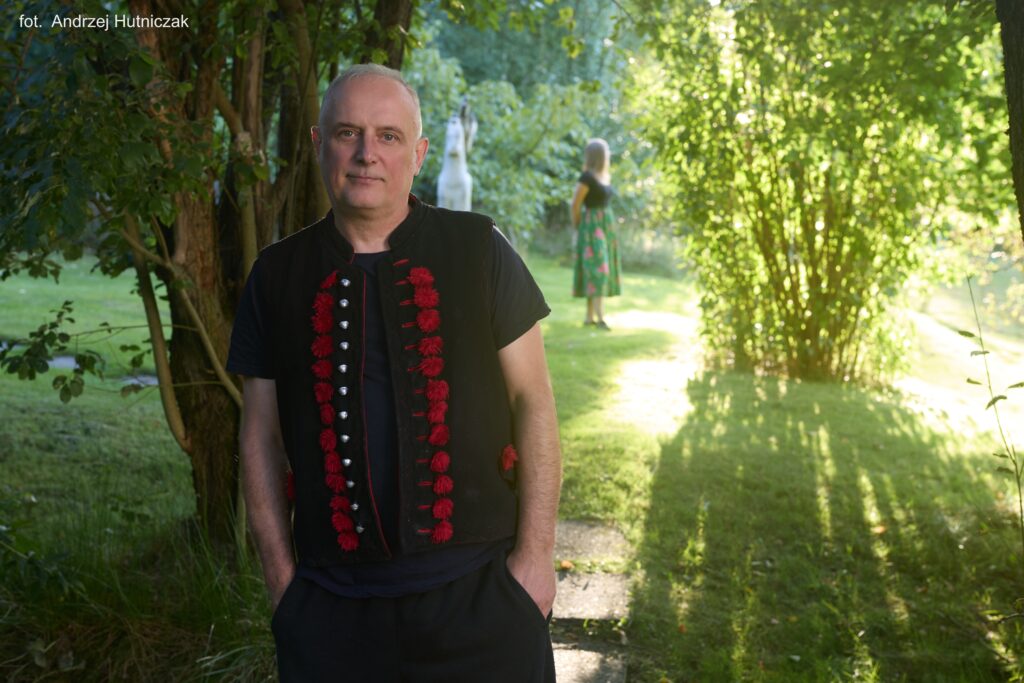
Twórczość Zbyszka Burego od lat łączy różne dziedziny sztuki – malarstwo, ceramikę i rzeźbę. Swoje prace prezentował na licznych wystawach w Polsce i za granicą. Za działalność artystyczną oraz społeczno-kulturalną został uhonorowany wieloma wyróżnieniami, w tym odznaką „Zasłużony dla Kultury Polskiej”. Wystawa „Dźwięki” to opowieść zapisana w drewnie i na płótnach. Zbigniew Bury tworzy swoje rzeźby wyłącznie z materiałów pochodzących z najbliższej okolicy, nadając im nowe życie. Każda praca stanowi dialog z naturą, a jednocześnie zaproszenie do odkrywania harmonii między sztuką, przestrzenią i dźwiękiem.
Zbigniew Bury, urodzony w 1966 roku w Wadowicach. Przez rok uczył się w Prywatnej Szkole Sztuk Plastycznych w Bielsku-Białej. Przy odnawianiu polichromii w Gierałtowicach zaprzyjaźnia się z artystą Karolem Pustelnikiem członkiem „Grupy Krakowskiej”. Pozostają w bliskim kontakcie, aż do śmierci Karola Pustelnika (2010). W 1996 roku wraz z artystą Piotrem Jarguszem, założył grupę artystyczną „Studio TU”. W 1997 roku bierze udział w targach artystycznych „Kunst Findet Kunst” w Monachium, gdzie prezentuje prace poświęcone problemowi wolności w krajach postkomunistycznych. W 2002 roku, w Isny (Niemcy) jego projekt pod nazwą „Red Line Art – European Art.- Project 2002” zdobywa największe uznanie i zostaje zrealizowany. Wystawia w kraju i za granicą. Zbigniew Bury jest artystą działającym interdyscyplinarnie, uprawiającym malarstwo, ceramikę, rzeźbę. Od 2008 roku tworzy jednocześnie karykaturalne prace pod pseudonimem Alex Johanson. W 2009 roku artysta został odznaczony Srebrnym Medalem Towarzystwa „Labor Omnia Vincit”, który jest wyrazem najwyższego uznania dla dotychczasowej działalności zawodowej, artystycznej oraz społeczno-kulturalnej a w 2013 roku otrzymał odznakę „Zasłużony dla Kultury Polskiej” nadaną przez Ministra Kultury i Dziedzictwa Narodowego, Bogdana Zdrojewskiego. W 2020 r. otrzymuje Dyplom Honorowy Narodowej Akademii Sztuki Ukrainy w Kijowie. Należy do Grupy Plastycznej NADSKAWIE działającej przy Towarzystwie Miłośników Ziemi Wadowickiej oraz Kazimierskiej Konfraterni Sztuki – Kolonii Artystycznej w Kazimierzu Dolnym.
„Staram się rzeźbić prace lekkie, proste, nie zajmujące zbyt wiele czasu... W swojej pracy korzystam wyłącznie z materiału pochodzącego z mojej okolicy, który dobrze znam i o którym posiadam wiedzę – skąd pochodzi i jaka historia się z nim wiąże”.
Sculptures
For years, Zbyszek Bury’s work has combined various art forms—painting, ceramics, and sculpture. He has presented his works at numerous exhibitions in Poland and abroad. He has received many awards for his artistic and socio-cultural activities, including the “Meritorious for Polish Culture” medal. The exhibition “Sounds” is a story captured in wood and on canvas. Zbigniew Bury creates his sculptures exclusively from materials sourced from the immediate vicinity, breathing new life into them. Each work represents a dialogue with nature and, at the same time, an invitation to discover the harmony between art, space, and sound.
Zbigniew Bury was born in 1966 in Wadowice. He studied for a year at the Private School of Fine Arts in Bielsko-Biała. Whilst restoring polychrome decorations in Gierałtowice, he befriended the artist Karol Pustelnik, a member of the “Krakow Group”. They remained in close contact until Karol Pustelnik’s death in 2010. In 1996, together with the artist Piotr Jargusz, he founded the artistic group “Studio TU”. In 1997, he took part in the “Kunst Findet Kunst” art fair in Munich, where he presented works addressing the issue of freedom in post-communist countries. In 2002, in Isny (Germany), his project entitled “Red Line Art – European Art. Project 2002” received the highest acclaim and was realised. He exhibits both in Poland and abroad. Zbigniew Bury is an interdisciplinary artist working in painting, ceramics and sculpture. Since 2008, he has also been creating caricatures under the pseudonym Alex Johanson. In 2009, the artist was awarded the Silver Medal of the “Labor Omnia Vincit” Society, which is an expression of the highest recognition for his professional, artistic and socio-cultural activities to date, and in 2013 he received the “Meritorious for Polish Culture” badge awarded by the Minister of Culture and National Heritage, Bogdan Zdrojewski. In 2020, he received an Honorary Diploma from the National Academy of Arts of Ukraine in Kyiv. He is a member of the NADSKAWIE Art Group, operating under the Society of Friends of the Wadowice Region, and the Kazimierz Art Confraternity – the Artists’ Colony in Kazimierz Dolny.
“I try to create sculptures that are light, simple and do not take too much time… In my work, I use only materials sourced from my local area, which I know well and about which I have knowledge – where they come from and the history associated with them. All my sculptures are a tribute to trees.”
NASI PARTNERZY
Patronat: Marszałek Województwa Małopolskiego Łukasz Smółka
JM Rektor Akademii Muzycznej im. K.Pendereckiego w Krakowie prof. dr hab. Mariusz Sielski
Wójt Gminy Lanckorona Ryszard Gonet
Dofinansowano ze środków Centrum Edukacji Artystycznej
Partner główny: